


habitué au produit de qualité
"Toujours aussi efficace et de qualité"



 Expédition sous 48h
 Paiement sécurisé
 Paiement en 3x avec Klarna
Vous aimerez aussi
 BIO AB
 BIO UE
 Vegan
Vegan
 Concentré de bourgeons
 100% des ingrédients d'origine naturelle


This product is rated 4.9 of 5.0 stars.
It has received 33 reviews.
This product is rated 4.9 of 5.0 stars.
It has received 33 reviews.
Overall rating: 4.909091 / 5 from 33 reviews.
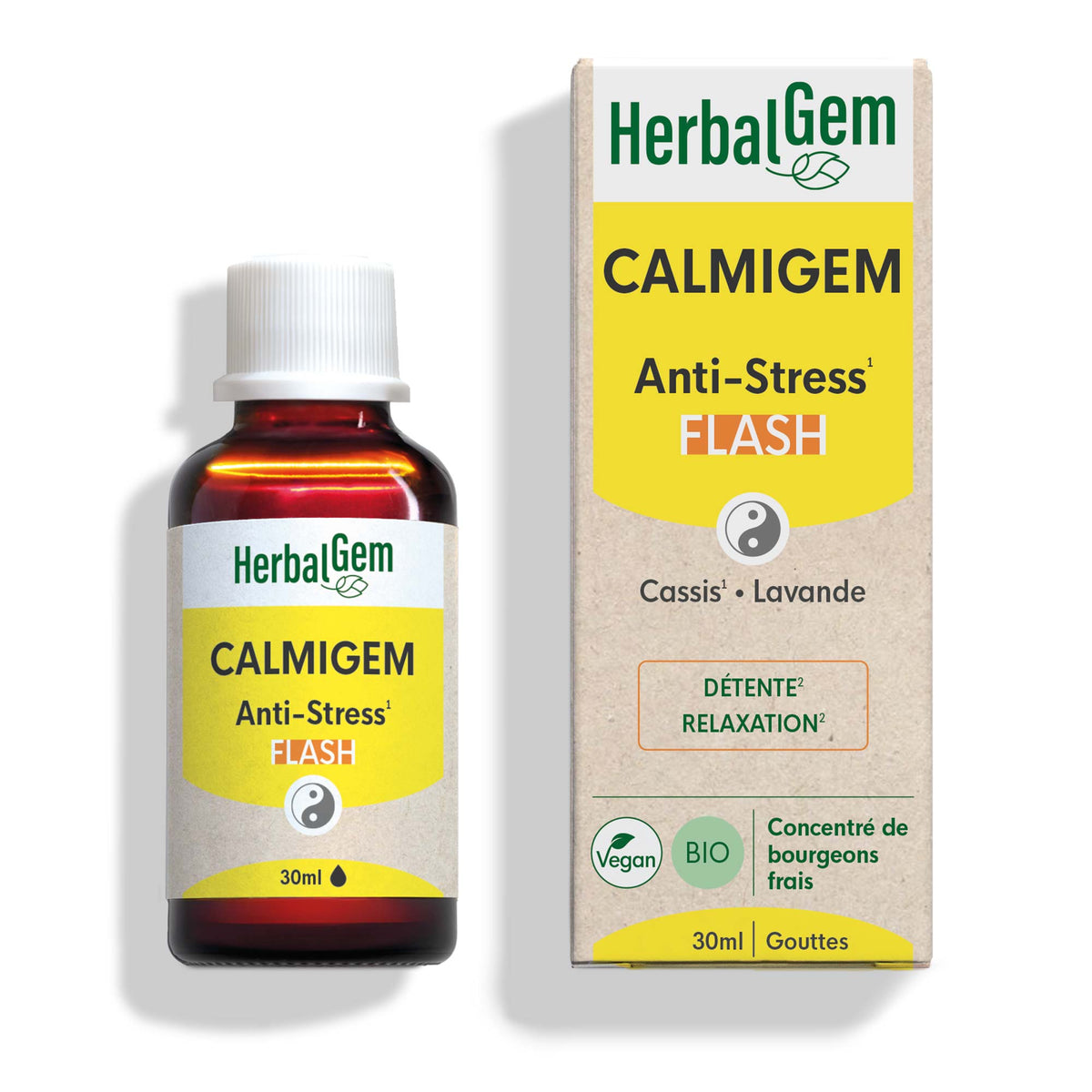
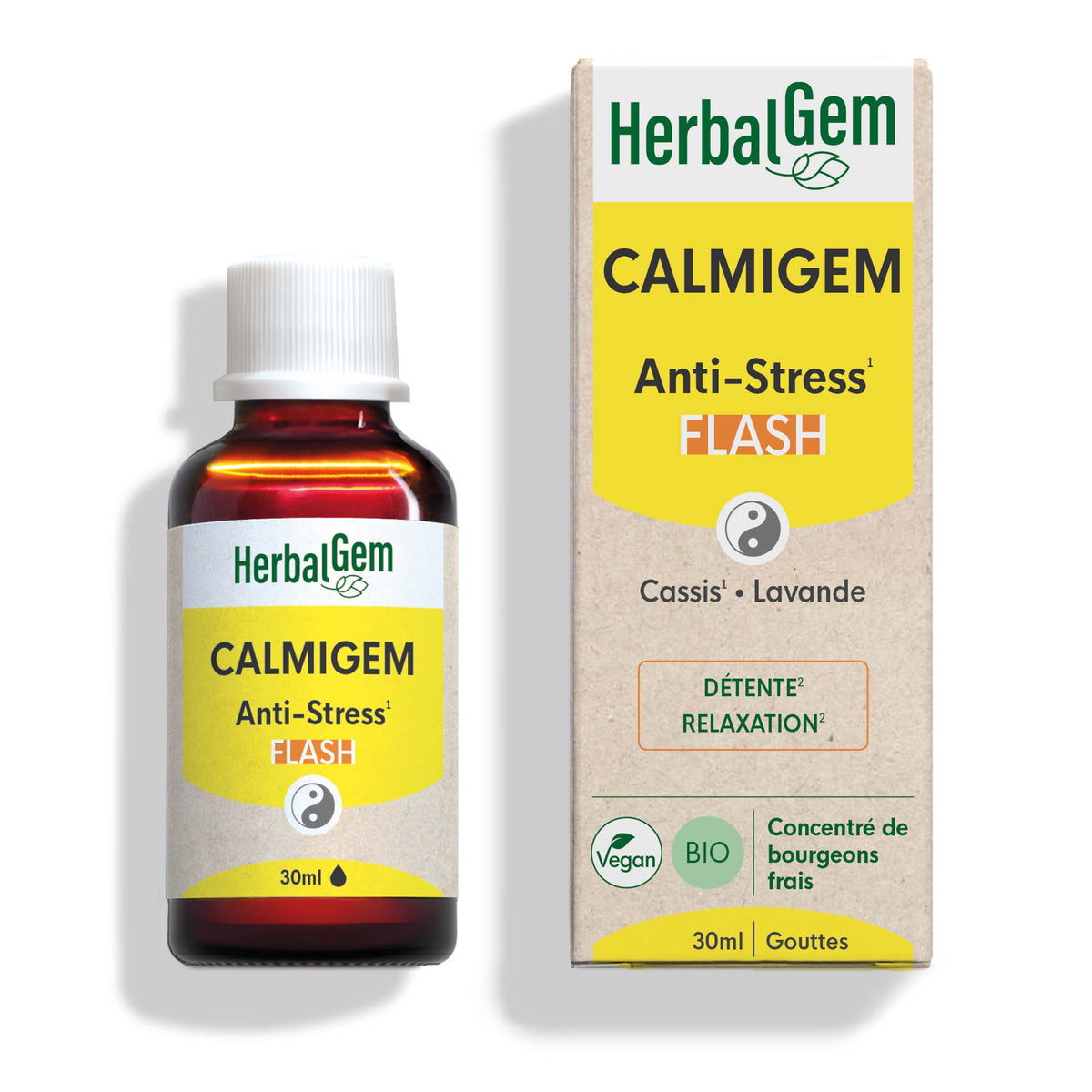
Calmigem is an anti-stress spray praised for its effectiveness in relieving daily stress and promoting relaxation. Customers appreciate its natural and organic composition, practical format, and noticeable calming effects. While some find the taste strong, overall, it is considered a valuable discovery for managing stress.
Review topics: [results, benefits, feel, difference, packaging, bottle, effects, delivery, oil, energy, alternative, spray, taste, stress, format, discovery, anxiety, companion, generation, composition, ally, approach, tension, idea, sleep, calmigem, herbalgem].
"Toujours aussi efficace et de qualité"
"J'ai toujours mon spray sur moi. Ça me calme en cas de stress"
"Envoi très rapide. Je me sens alignée et je n'ai plus de crise d'angoisse. Je recommande ce produit !"
"Avec Calmigem, j'ai ressenti une énergie positive qui m'aide à traverser les moments difficiles."
"Couplé avec un autre complex Herbalgem ça à marché au delà de mes attentes sur quelqu'un de très stressé qui traversait une mauvaise passe."
"Calmigem est un spray anti-stress exceptionnel à base de bourgeons frais et de cassis. En tant que produit vegan, il offre une approche naturelle pour soulager le stress au quotidien. J'ai été agréablement surpris par son efficacité, ressentant une réelle détente après son utilisation. La praticité du spray en fait un compagnon idéal, et le fait qu'il soit vegan correspond à mes valeurs éthiques. Cependant, je recommande toujours de consulter un professionnel de la santé avant d'incorporer de nouveaux produits à sa routine quotidienne"
"Parfait pour les personnes stressées comme moi . Calmigem d'Herbalgem aide en cas de stress passager grâce à l'action de 2 bourgeons (figuier et cassis) et de 3 huiles essentielles (lavande, angélique et l'oranger). Il Réduit la nervosité,agit rapidement contre les chocs émotionnels ,diminue la tension nerveuse , il combat l’instabilité psychologique."
"Ce spray anti stress est une découverte pour moi ainsi que la marque. Tout d'abord j'aime beaucoup le format spray, pratique, nomade et facile à utiliser. Le goût est assez agréable mélange de plantes il est du coup sympathique à prendre plusieurs fois par jours lors de grandes périodes de stress. Quand je me sens stressée et tendue ce produit est juste parfait."
"Je suis de nature assez stressée et j'ai du mal à me détendre. J'ai commencé à prendre Calmigem avec cinq pulvérisations par jour depuis peu. Le flacon est pratique à utiliser et à transporter. Le goût est assez soutenu mais pas désagréable. Je n'ai pas eu d'effet immédiat les premières pulvérisations mais maintenant je pense que tous ses ingrédients commence à dégager leurs vertus et je suis un peu moins stressée."
"Je suis très stressée voir surmenée en ce moment, à la recherche d’une solution naturelle j’ai commencé à utiliser Calmigem en spray. je prends 2 à 3 vaporisations buccales par jour et je suis agréablement surprise par son efficacité. c’est un excellent produit. La composition est top et je trouve ce produit efficace pour diminuer le stress, il contribue à diminuer les tensions et l'irritabilité. Je me trouve un peu plus relaxée. Le format est pratique pour l’avoir toujours sur soi. Le goût est particulier, on retrouve en particulier le goût de la lavande et du néroli. Je n’ai pas aimé au début, mais on s'habitue au goût et l'efficacité étant là ce n’est pas un problème."
Insomnia: What to do: 10 practical tips to get back to sleep
Insomnia: What to do? Effective solutions to get your sleep back. Insomnia is one of the most common sleep disorders: difficulty falling asleep, repeated nighttime awakenings, light sleep, or the inability to get restorative rest . This problem, which affects nearly 20% of the French population , has a considerable impact on health and quality of life. Persistent fatigue, difficulty concentrating, irritability, and mood disorders are all consequences that can become part of daily life. Faced with these situations, many people wonder: what to do about insomnia? The good news is that there are concrete and natural solutions to regain sleep, reduce stress, and improve sleep quality in the long term. What is insomnia and why is it a major health problem? Insomnia is defined as a sleep disorder characterized by difficulty falling asleep, staying asleep, or getting truly restorative rest . It can be occasional (a few disturbed nights), transient (often linked to a specific factor such as a life change or stress), or chronic when it lasts for more than three months. Its consequences are numerous: intense fatigue during the day, irritability and nervousness, weakened memory and difficulty concentrating, increased risk of accidents or errors ... In the long term, problems related to lack of sleep promote certain diseases: diabetes, hypertension, cardiovascular problems. Therefore, treating insomnia is not just about "sleeping better," but about protecting overall health . The main causes of insomnia Identifying the cause is essential before choosing the most effective solution. Stress and anxiety : life events, work, personal relationships, or trauma can disrupt sleep patterns. In these cases, using natural solutions to reduce stress, such as the Calmigem anti-stress spray or the entire GEMMOCAPS® STRESS-PROTECT range, can be a first step. Mood disorders : depression and generalized anxiety are among the most frequent factors. Lifestyle habits : excessive consumption of stimulants such as coffee, tea, alcohol, tobacco, but also screens (computers, social networks) before bedtime. Physical problems : chronic pain, neurological disease, hormonal changes (pregnancy, menopause, PMS...) These different disorders sometimes combine and complicate treatment. The consequences of insomnia on health and daily life. Sleep is an essential foundation for the balance of the body and nervous system . When it is disturbed: Concentration and memory weaken, increasing difficulties in daily life. The risk of domestic, road, or workplace accidents increases. In the long term, the repercussions include medical treatment for conditions such as high blood pressure or diabetes. On a social level: family tensions, isolation, decreased performance at work . These consequences show that it is essential to fight insomnia in order to preserve one's quality of life . What lifestyle rules can help you sleep better? Sometimes, small gestures are enough to improve sleep quality. Adopting a regular rhythm , going to bed and waking up at the same time, even on weekends, helps stabilize the biological clock . Creating a conducive atmosphere in the bedroom (dark, calm, with a suitable temperature and a comfortable bed) also promotes falling asleep. It is advisable to limit stimulants such as caffeine, alcohol, tobacco or sodas, at least one hour before bedtime. Finally, establishing relaxation rituals such as reading, meditation or breathing exercises can prepare the body and mind for rest. Also be careful with naps that are too long , which can disrupt the circadian rhythm. The role of the circadian rhythm in sleep The circadian rhythm is the internal clock that regulates our biological functions over 24 hours. A true natural metronome , it influences not only the alternation between sleep and wakefulness but also body temperature, digestion, hormone secretion, and even mood. This cycle is largely based on melatonin, often called the "sleep hormone," whose production increases at nightfall to signal the body that it is time to rest. When this rhythm is disrupted, the consequences are quickly felt. Night shift workers, whose schedules are reversed compared to the natural day-night cycle, or travelers subject to jet lag, are well aware of these disruptions. Persistent fatigue, difficulty falling asleep, nighttime awakenings, or daytime sleepiness are the most frequent signs. In these situations, certain approaches can help resynchronize the body. Light therapy , for example, acts as a true regulator: exposure to specific artificial light stimulates hormone secretion and reminds the body of the natural rhythm of the day. Regular exposure to morning light , combined with good sleep hygiene, also helps restore balance. Respecting this biological rhythm, as much as possible, remains fundamental to preserving restorative sleep. This involves regular schedules, a clear alternation between periods of activity and rest, and paying particular attention to the lighting environment . By harmonizing our habits with our internal clock, we give the body the opportunity to regenerate better and limit the onset of insomnia. The effects of jet lag on sleep Jet lag is a frequent cause of sleep disturbances. The biological clock becomes disrupted, leading to difficulty falling asleep and nighttime awakenings. Frequent travelers or people working shift work are particularly susceptible. To alleviate these problems, it is advisable to gradually adapt one's rhythm, expose oneself to natural light, and engage in relaxing activities . In some cases, dietary supplements can provide support, particularly with the NoctiGem complex or Linden bud extract . Indeed, gemmotherapy can have a positive impact in combating exhaustion. The importance of relaxation for better sleep. Reducing stress is a key step to regaining restorative sleep. Meditation, yoga, or mindful breathing help to calm nervousness, especially when practiced regularly, for example three times a week. Certain natural solutions, such as gemmotherapy and/or synergies of relaxing essential oils, reinforce this relaxation. Plants and gemmotherapy as allies for sleep Nature abounds with resources to combat insomnia. Lemon balm, valerian, passionflower, and chamomile are known for their sedative properties, while essential oils such as true lavender, bergamot, or sweet orange help create a calming atmosphere. In gemmotherapy, certain buds provide particular support for emotional balance and sleep . The fig bud, in particular, is renowned for its effects on stress and digestive disorders that sometimes disrupt rest. The Linden Bud, renowned as THE sleep bud, promotes and increases sleep duration. Two buds that can be found in synergy in the NoctiGem complex to help gradually regain more peaceful sleep. Behavioral therapies for treating insomnia Cognitive behavioral therapy (CBT) is now a recognized and validated solution for effectively combating chronic insomnia . Its main objective is to reprogram behaviors and thoughts that disrupt sleep while helping the individual better manage their emotions related to night and rest. Through this approach, it is possible to gradually reduce dependence on sleeping pills and avoid the side effects often associated with prolonged use of these medications. CBT can be provided in consultation with a specialized healthcare professional, but it is also accessible through online programs, offering tailored support for each situation and direct access to the necessary therapeutic tools. In some cases, combining CBT with relaxation techniques, meditation, or natural methods such as aromatherapy, along with medical monitoring, can achieve particularly effective and lasting results. This holistic approach addresses not only sleep but also emotional balance, contributing to restoring a better quality of life on a daily basis. The impact of lifestyle on sleep quality Our lifestyle habits directly influence the quality of sleep and the ability to fully recover. A balanced, varied diet low in stimulants such as coffee, tea, or soda is essential for promoting restorative rest. Regular physical activity is also beneficial, but it is best to avoid overly intense exercise just before bedtime, as it can increase alertness and delay sleep onset. The time spent in front of screens in the evening plays a significant role: the blue light from computers, tablets, and smartphones stimulates the nervous system and disrupts the secretion of melatonin, a key hormone for sleep. Reducing screen exposure in the hour before bedtime therefore helps to naturally prepare the body and mind to fall asleep. Finally, incorporating moments of relaxation each day , whether it's meditation, reading, music, or simply deep breathing, helps manage stress and accumulated emotions. This attention to balancing professional activity, daily obligations, and rest promotes better sleep quality, reduces nighttime awakenings, and helps prevent sleep disorders related to stress, anxiety, or overwork. Towards a holistic approach to insomnia Insomnia is a multifactorial disorder that can significantly impact quality of life, leading to fatigue, irritability, and difficulty concentrating. To manage it effectively, a personalized approach tailored to each individual's needs and underlying causes is essential. Several methods can be used to improve sleep naturally and sustainably. Lifestyle is the first step: adopting a regular sleep schedule, limiting stimulants such as caffeine or alcohol, creating a conducive environment for rest, and incorporating moments of relaxation each day are all simple but essential steps to promote restorative sleep. Plants and gemmotherapy provide complementary support , thanks to their soothing and relaxing properties, allowing for better management of stress and emotions that disrupt sleep. Dietary supplements can also help support the body, particularly in cases of jet lag or temporary sleep disturbances. Natural solutions to reduce stress, such as the GEMMOCAPS® STRESS-PROTECT range, play a key role in combating mild to moderate insomnia . It helps reduce nervous tension, calm the mind, and prepare the body for sleep without undesirable side effects. For chronic or persistent cases, medical follow-up remains essential to adapt treatment, identify underlying causes, and prevent diseases associated with lack of sleep, such as cardiovascular disorders or prolonged anxiety. The ultimate goal remains the same: to regain deep, restorative sleep, restore energy and concentration, and sustainably improve quality of life . By combining healthy lifestyle choices, gemmotherapy, relaxation techniques, and behavioral therapies, everyone can build a personalized routine that allows them to sleep better and maintain their well-being daily.
Breathing and stress: techniques and natural solutions
Breathing and stress: understanding the link and regaining serenity naturally Stress is an integral part of our modern lives. Whether it's related to work, exams, family life, or unforeseen events, it directly impacts our bodies and our breathing. This altered breathing, in turn, perpetuates a vicious cycle that amplifies feelings of anxiety, tension, and anguish. Good news: by understanding the link between breathing and stress, you can regain control of your well-being. In this article, we explain the physiological mechanisms involved, offer effective breathing exercises, and present natural gemmotherapy solutions to help you find calm and serenity. Why does stress affect our breathing? When you face a stressful situation, your body triggers a fight-or-flight response. This age-old phenomenon mobilizes the sympathetic nervous system, releasing hormones like adrenaline and cortisol. The brain then sends warning signals throughout the body. The effects on your breathing are immediate. You may experience a lump in your throat, difficulty inhaling deeply, or tightness in your chest: Breathing becomes faster and shallower; The diaphragm and respiratory muscles contract; Thoracic breathing replaces abdominal breathing; The respiratory tract is being used in a chaotic manner; The balance between oxygen and carbon dioxide in the blood is disrupted. This chronic hyperventilation can lead to significant disturbances: dizziness, increased heart rate, palpitations, chest pain, and even a panic attack with a feeling of suffocation. The problem is that this type of breathing sends warning signals to the brain, which maintains and amplifies the state of stress. It's a true vicious cycle with often multiple causes. In the most severe cases, this unease can develop into deeper disorders such as chronic anxiety or depression. Hence the importance of taking care of one's mental health and breathing on a daily basis. The benefits of conscious breathing on stress The good news is that this mechanism works both ways. By regaining control of your breathing, you can activate the parasympathetic nervous system , responsible for relaxation and recovery. This is the key difference between being overwhelmed by stress and managing it effectively. Scientific studies have shown that slow, deep breathing has a direct influence on the body and contributes to: Promote the reduction of noradrenaline production, the stress hormone; Supporting the regulation of cortisol levels; Contribute to a balanced heart rhythm and heart rate; Stimulate the production of endorphins and enhance positive emotions; Improve concentration and recovery skills; Promote quality sleep and soothe the heart. Researchers have even identified an area of the brain, the pre-Bötzinger complex, that directly links our breathing rate to our emotional state. Breathing slowly keeps these neurons inactive and maintains a state of calm. As the lungs fill fully, they send a message of security to the entire body. 4 anti-stress breathing exercises to practice daily Here are simple and accessible techniques, true tools for well-being, to regain control and soothe your nervous system. These strategies can be practiced anywhere, whether you're at the office, at home, or on the go. Nothing complicated, just a few minutes and a little practice. 1. Abdominal (or diaphragmatic) breathing This is the basis of all relaxation techniques, used particularly in yoga. It helps to relearn how to breathe deeply by engaging the diaphragm rather than the chest. The calming effect is almost immediate. How to do it: Sit or lie down comfortably, with your feet flat on the floor if you are sitting; Place one hand on your stomach, just below your navel, and the other on your chest; Inhale slowly through your nose while expanding your belly (your hand on your belly will rise); Exhale gently through your mouth while pulling in your stomach, as if you wanted to bring your navel closer to your buttocks; Repeat for 3 to 5 minutes, focusing on the rhythm of your breathing. Tip: If you experience some difficulty at first, that's normal. The diaphragm muscles need to be reactivated. With practice, breathing will become deeper and more natural. 2. The 4-7-8 technique Popularized by Dr. Andrew Weil, this method is particularly valued for quickly easing tension and promoting sleep. It acts as a true relaxation tool in cases of anxiety or panic attacks. How to do it: Place the tongue behind the upper incisors, against the palate; Inspiration phase: inhale through your nose while counting to 4; Breath retention phase: hold your breath while counting to 7; Exhalation phase: exhale completely through the mouth while counting to 8; Repeat 3 to 4 cycles. Important point: The rest of your body should remain relaxed. If you experience a headache or dizziness, reduce the breath retention time. The important thing is to find your own rhythm. 3. Alternate nostril breathing Derived from yoga (Nadi Shodhana), this technique promotes balance between the sympathetic and parasympathetic nervous systems. It is ideal for easing tension, improving concentration, and restoring serenity. In particular, it helps calm a restless mind. How to do it: Sit comfortably, back straight, feet firmly planted on the floor; Plug your right nostril with your thumb and inhale slowly through your left nostril; Close both nostrils and hold your breath briefly; Open your right nostril and exhale gently; Inhale through the right nostril, then repeat, alternating nostrils; Practice for 5 minutes, keeping your eyes closed if possible. 4. Heart coherence (5-5) This simple technique involves breathing at a precise rhythm to synchronize the heart and brain. The benefits of heart coherence on well-being are widely documented scientifically. It allows for a measurable reduction in cortisol and an improvement in emotional regulation skills. How to do it: Inhale through your nose for 5 seconds; Exhale through your mouth for 5 seconds; Repeat for 5 minutes, 3 times a day for optimal effects. Additional resources: There are apps and websites that offer visual guides to help you practice heart coherence. These can be a good starting point. To go further, discover our full range of dietary supplements for breathing . Gemmotherapy: a complementary natural approach While breathing exercises are valuable tools for managing daily stress, gemmotherapy offers a complementary approach to support nervous system balance and address the need for serenity. It is a natural response to stress-related disorders. Gemmotherapy uses the embryonic tissues of plants (buds, young shoots) which concentrate all the energy and active ingredients of the future plant. These extracts gently support the body's rebalancing and care for your health, without side effects or risk of addiction. To better understand this approach, consult our guide on essential buds for your health . Buds, allies of well-being Fig bud is considered a key regulator of the nervous system in gemmotherapy. It acts on the hypothalamic-pituitary-adrenal (HPA) axis and promotes calmness. Rich in serotonin, it contributes to: Helps to soothe tension, anxiety and negative emotions; Promote quality sleep and facilitate falling asleep; Supporting digestive comfort during periods of stress (feeling of a knot in the stomach, tight throat); It helps to calm the mind in the face of repetitive thoughts and panic. Blackcurrant bud is a powerful adaptogen. It helps the body adapt to stressful situations by supporting its natural resistance. Combined with fig, it enhances its action and contributes to the body's overall vitality. Linden bud complements this approach with its soothing properties. It is particularly valued for promoting sleep onset and restful sleep, in both children and adults. HerbalGem solutions to help you through stressful times CalmiGem is the leading anti-stress complex. It combines Fig and Blackcurrant Buds with hydrosols of True Lavender, Angelica, and Neruli. Available in drops, spray, or gummies, it provides relaxation and calm in cases of temporary stress. An independent study showed that 9 out of 10 people experience a sense of calm, and that the first effects appear within 5 to 10 minutes for 3 out of 4 people. NoctiGem combines Linden and Fig buds to promote restful sleep. It is ideal for people whose stress disrupts falling asleep or causes nighttime awakenings. The Serenity Day/Night Duo offers a complete approach: CalmiGem Spray to manage daytime stress peaks and NoctiGem to promote peaceful nights. Discover all our buds for stress and sleep . Practical tips for integrating breathing and gemmotherapy into daily life For optimal results, we recommend combining both approaches. Here are some tips and strategies to apply: In the morning : 5 minutes of heart coherence to start the day well and prepare your body; During the day : 5 to 15 drops or a maximum of 5 sprays of CalmiGem in case of a peak of stress, combined with a few deep breaths through the nose; Before dinner : 5 to 15 drops or a maximum of 5 sprays of NoctiGem to prepare the body for rest; At bedtime : the 4-7-8 technique to facilitate falling asleep and calm the heart rate; A course of gemmotherapy typically lasts three weeks, the time needed to deeply support the body. Feel free to repeat the course if necessary. In fact, consistency is key to seeing a real difference. Conclusion: regaining control naturally The link between breathing and stress is a valuable gateway to well-being. By learning to breathe consciously and supporting your nervous system with the appropriate herbs, you give your body and your health the tools to cope with the stresses of daily life. The combination of breathing exercises and gemmotherapy offers a holistic and natural approach to regaining serenity and balance. Your well-being is in your hands... and in your breath. Faced with stress, you now have all the tools you need to take action.
How to manage stress: 7 effective tips to adopt every day
How to manage stress? Our top tips Stress is an integral part of modern life. Whether it's related to work, school, or personal situations, it can have a significant impact on your mental and physical health . Knowing how to manage stress has become essential because everyone faces stress-inducing situations , whether it's public speaking, a demanding professional environment, exams, or anxiety caused by a sensitive personal issue. Learning to identify the sources of stress, to understand its effects on the body and mind, and to adopt appropriate strategies not only allows you to live better on a daily basis but also to preserve your well-being and quality of life . In this article, we offer practical tips, proven methods and natural solutions , including Buds and other gentle techniques to help you better understand stress, regain your serenity and strengthen your self-esteem . Understanding Stress The different types of stress: acute, chronic, traumatic Stress can manifest itself in many forms. Acute stress occurs in response to a specific situation and disappears quickly when the stressor is eliminated. Chronic stress , on the other hand, persists over the long term and can have serious consequences on health and the general state of the body. Finally, traumatic stress results from a particularly significant event and may require professional support. A common example of acute stress is the stress experienced just before an exam or public speaking. Identifying the type of stress you are experiencing is the first step in learning how to manage it effectively. Causes, symptoms and impact on mental health The causes of stress are numerous: work overload, pressure, financial worries, complex relationships, life changes ... Symptoms can be physical (muscle tension, headaches, sleep disturbances, rapid heart rate), emotional (anxiety, anguish, irritability, loss of motivation) or cognitive (difficulty concentrating, memory problems). If chronic stress is not addressed, it can lead to disorders such as exhaustion, depression or even serious health problems. Understanding these mechanisms allows you to take action before stress becomes overwhelming. Adopt daily stress prevention strategies Maintain a healthy lifestyle Effective stress management starts with healthy lifestyle habits . Getting enough sleep, exercising regularly, eating a balanced diet, and limiting stimulants like coffee and alcohol are simple ways to reduce tension and strengthen your stress resistance. Omega-3s , found in certain fish and seeds, also help support the brain and limit the negative effects of stress on the body. As we age, adopting these habits becomes even more essential for maintaining emotional balance and preventing stress-related fragility. Manage your time effectively Daily stress is often amplified by poor time management . Prioritizing, planning your tasks, and knowing how to say no when necessary are effective strategies for reducing pressure and avoiding burnout. A balanced balance between professional and personal activities helps you better manage your emotions and maintain your well-being. Incorporate Bud macerates into your routine Buds are powerful allies for stress management . They help restore the body's natural balance. Certain buds are particularly suitable : Fig Bud : Ideal for calming anxiety and promoting relaxation . It helps regulate balance and periods of prolonged stress. Blackcurrant Bud : adaptogenic and known for its revitalizing properties, it supports the body in the face of physical and emotional stress by strengthening natural resistance to periods of overload. Linden Bud : Recommended to help calm emotions and facilitate falling asleep for a more restful sleep . It helps reduce anxiety and difficulty falling asleep related to stress. A flagship solution from HerbalGem, the CalmiGem anti-stress spray , enriched with true lavender, neroli and angelica hydrosols, is a good example of a natural solution that supports stress peaks while promoting a return to calm. These natural solutions to limit stress are a natural, effective solution without significant side risks. Changing your perception of stressful situations Adapting positive thinking to gain perspective Learning to put things into perspective and adopt a positive way of thinking is a key strategy for managing stress. It involves transforming situations perceived as negative into opportunities for learning and growth. This adaptation of perception helps reduce anxiety, fear, anguish and tension while strengthening self-esteem and daily happiness . Practice mindfulness Mindfulness is a practice that has been gaining traction lately. It helps bring attention back to the present moment and reduce the impact of stressors . By focusing on breathing, bodily sensations, and emotions, it's possible to regulate the body's response to stress and improve concentration. This method also promotes restful sleep and better physical and mental recovery. Coping with stress in specific situations Managing Workplace Stress to Prevent Burnout Work is a common source of chronic stress . Overwork, strict deadlines, and hierarchical pressures can cause anxiety and persistent fatigue. To maintain your mental health , it is advisable to take regular breaks, delegate certain tasks, and practice relaxation techniques at the office. Stress-relieving products , such as the EnerGem Mental Overload complex, can also provide additional support. Managing stress during exams Exams and school assessments are high-pressure times. The key to reducing stress is preparing in advance, organizing your studies, and adopting breathing techniques. Taking a relaxation or meditation class can also be a valuable aid in managing test-related anxiety. Apply these 3 methods for a stress-free daily life 1. Relaxation techniques to calm the mind Relaxation is an essential method for reducing chronic stress and restoring a state of inner calm. Yoga, sophrology, massages, and hot baths are simple ways to release muscular and mental tension. These techniques are particularly useful at the end of the day to promote deep, peaceful sleep. 2. Deep breathing and meditation to anchor yourself in the present moment Deep breathing and meditation are powerful tools for regulating heart rate and calming emotions. In just a few minutes, you can reduce anxiety, ease stress, and regain mental clarity . Regular practice can help you better manage worries and improve your focus on daily tasks. 3. Sport to relieve tension Exercise is a natural and effective way to release happy hormones , reduce stress, and improve mental health . Running, swimming, or even brisk walking can reduce stress, strengthen the body, and promote overall well-being. Regular physical activity is an essential pillar of any stress management strategy. Support and sustainable solutions for effective stress management When should you consult a professional in case of chronic stress or burnout? It's important to recognize the signs of chronic stress or burnout : persistent fatigue, sleep disturbances, loss of motivation, irritability, and difficulty managing emotions . In these cases, consulting a psychologist, doctor, or mental health specialist is essential. Early intervention can prevent long-term consequences and provide personalized support. In addition, integrating healthy lifestyle habits, Bud macerates , mindfulness and moments of relaxation into your daily life helps to sustainably reduce stress and improve performance , happiness and the quality of sleep . Applying these tips and integrating these natural solutions into your daily life allows you to transform your relationship with stress . Thanks to a combination of relaxation techniques, conscious breathing, exercise and the use of suitable buds such as Fig Bud, Blackcurrant Bud and Linden Bud, you give your body the means to better manage tension, soothe emotions and preserve your mental health. These approaches, when integrated regularly, not only help reduce symptoms related to chronic stress but also strengthen your well-being and quality of life . Stress is no longer inevitable: it becomes a signal to listen to, understand and transform into strength to better manage your daily situations and improve your overall performance. Adopting these simple, natural and sustainable tips gives you a real foundation for living fully, in harmony with your body, your emotions and your pace of life, while reducing the risk of exhaustion or burnout. With a little organization, patience and the support of natural solutions to limit stress, it is possible to find serenity and balance and to make stress a tool for growth rather than an obstacle .

Expédition rapide
Sous 48h ouvrées

Livraison offerte
Dès 45 € en point relais et 55 € à domicile

Paiement sécurisé
Visa, Mastercard, PayPal, Apple Pay, Klarna
*Livraison offerte dès 45 € d'achat en point relais et dès 55 € d'achat à domicile.