







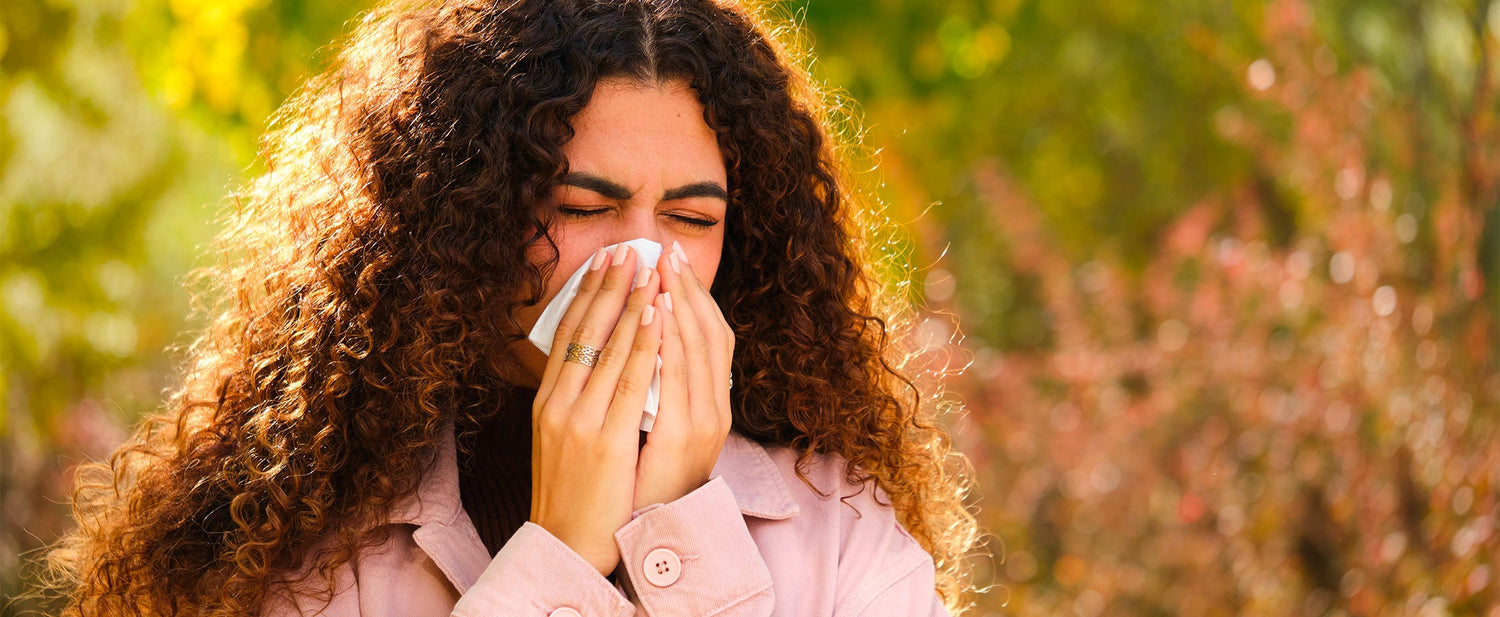
Runny nose, constant sneezing, red and watery eyes: every year, pollen allergies affect millions of people across Europe. Also known as hay fever or allergic rhinitis, this overreaction of the immune system to pollen grains can last anywhere from a few weeks to several months. So how long does a pollen allergy really last, what symptoms should you watch for, and how can you find relief naturally? Here is everything you need to know.
What is a pollen allergy?
How the immune system reacts to pollen
A pollen allergy is a disproportionate reaction of the immune system to substances that are normally harmless: the tiny pollen grains released by plants during pollination. When a person with allergies comes into contact with a pollen allergen, their body perceives it as a threat and triggers an inflammatory response. This reaction leads to the release of histamine, the main substance responsible for allergy symptoms.
Unlike a common cold caused by a virus, a pollen allergy is not contagious. It is linked to a genetic predisposition and can appear at any age, although first episodes often occur during childhood or adolescence. The number of people affected has been steadily rising over the past decades, partly due to climate change and air pollution.
The different types of allergenic pollen
Not all pollen triggers the same reactions. There are three main families of plants responsible for pollen allergies:
- Trees (birch, cypress, ash, plane tree): their pollination mainly takes place from January to May
- Grasses (ryegrass, cocksfoot, fescue): they release their pollen from May to July and are the leading cause of hay fever
- Weeds (ragweed, mugwort, plantain): their season runs from July to October
The size and concentration of pollen grains in the air vary by region, which explains why some people are more affected than others depending on where they live. It is worth noting that dust mites, another common allergen, cause similar symptoms but are not linked to pollen seasonality.
What are the symptoms of a pollen allergy?
The most common signs of hay fever
Pollen allergy symptoms mainly affect the respiratory tract and the eyes. The most frequent signs include:
- Bouts of sneezing, often in the morning or when spending time outdoors
- A stuffy or constantly runny nose (allergic rhinitis)
- Red, itchy and watery eyes (allergic conjunctivitis)
- Itching in the nose, palate and throat
- A dry cough, sometimes accompanied by breathing difficulties
- General fatigue caused by the inflammatory response
In some people, a pollen allergy can also worsen pre-existing asthma, leading to more pronounced breathing difficulties. The intensity of symptoms varies depending on pollen concentration and individual sensitivity.
How to tell the difference between a pollen allergy and a cold
The common cold and allergic rhinitis are often confused because their symptoms overlap. Here are a few clues to help tell them apart:
- A cold typically lasts 7 to 10 days, while an allergy persists as long as pollen exposure continues
- Allergic sneezing comes in bursts and gets worse outdoors
- A cold is often accompanied by fever and body aches, which is not the case with an allergy
- Red eyes and itching are typical of allergies, but rare with a cold
If you are unsure, it is best to seek the advice of an allergist who can carry out skin or blood tests to identify the specific allergen involved.
How long do pollen allergy symptoms last?
Duration depending on pollen type and season
This is the question most allergy sufferers ask. The duration of a pollen allergy depends directly on the type of pollen you react to and the corresponding pollination period:
- Tree pollen allergy: symptoms last on average 2 to 4 months, from February to May
- Grass pollen allergy: the critical period spans 2 to 3 months, from May to July
- Weed pollen allergy (ragweed in particular): symptoms may persist for 1 to 3 months, from July to October
Some people are sensitive to several types of pollen. In that case, the total duration of symptoms can cover a large part of the year, sometimes from February to October. The frequency and intensity of flare-ups also depend on weather conditions: dry and windy weather promotes the spread of pollen grains, while rain pushes them to the ground and provides temporary relief.
It should also be noted that rising temperatures linked to climate change tend to extend pollination seasons and increase pollen concentration in the air. This is one of the reasons why allergies are appearing in people who were previously unaffected.
When should you see an allergist?
It is advisable to see an allergist when:
- Symptoms return every year at the same time
- Over-the-counter treatments are no longer enough to provide relief
- Breathing difficulties or a persistent cough develop
- The allergy impacts your sleep, work or outdoor activities
An allergist can confirm the diagnosis, identify the specific allergens and recommend a suitable approach. In some cases, desensitisation therapy may be considered to gradually reduce the immune system's reaction to pollen.
Pollen seasons: when is the risk highest?
The pollination calendar
Pollen levels in the air follow a fairly predictable calendar:
- January to March: cypress and hazel (mainly in southern regions)
- March to May: birch, ash, plane tree and oak
- May to July: grasses (the most widespread allergy peak)
- July to October: ragweed, mugwort and other weeds
Risk levels vary by region. Southern areas, for example, tend to have high levels of cypress and ragweed pollen, while northern regions are more affected by birch. Knowing your local pollen patterns helps you prepare ahead of time.
Tracking pollen alerts to prevent allergy flare-ups
Several national aerobiology networks publish weekly pollen bulletins indicating risk levels by region and pollen type. Checking these reports helps you anticipate high-concentration periods and adapt your daily routine accordingly. Many mobile apps also provide real-time pollen tracking to make monitoring easier.
Keep in mind that even when the alert level is moderate, highly sensitive people may still experience significant symptoms. It is therefore helpful to combine these forecasts with your own experience to adjust your protective measures.
How to naturally relieve a pollen allergy
Daily habits to limit pollen exposure
A few simple steps can help reduce contact with pollen and ease symptom intensity:
- Ventilate your home early in the morning or late in the evening, when pollen concentration is lower
- Rinse your hair and face when you get home to remove pollen grains
- Avoid drying laundry outdoors during the pollen season
- Wear sunglasses to protect your eyes when going outside
- Keep car windows closed while driving
These habits will not eliminate the allergy, but they help reduce the frequency and intensity of flare-ups. They are among the first pieces of advice given by healthcare professionals to allergy sufferers.
Gemmotherapy to support respiratory comfort
Alongside preventive habits, gemmotherapy offers a natural approach for people prone to seasonal allergies. This discipline uses Buds and young plant shoots, rich in concentrated active compounds, to support the body in a targeted way.
Blackcurrant Bud, for instance, is known for its properties that help support the body's natural response to allergens. It promotes respiratory comfort and contributes to overall well-being during the pollen season. Find out why blackcurrant is considered a natural allergy-relief ally.
Specifically formulated Bud complexes also exist to support respiratory and ENT comfort and help maintain a healthy immune system during high-risk periods. Gemmotherapy can be used as a preventive course, ideally a few weeks before the start of the pollen season, to help the body respond more effectively.
To learn more, read our guide on managing allergies with gemmotherapy, or discover our tips for strengthening your immune system naturally.