







After 50, almost one man in two feels some discomfort when urinating: a weaker stream, more frequent urges, waking up at night. In the vast majority of cases, these urinary problems in men come from the prostate, which naturally enlarges with age. Usually nothing worrying, but a real day-to-day discomfort. Alongside a few lifestyle habits, gemmotherapy draws on buds known to support the urinary system. Recognising the signs, understanding their origin, acting with natural solutions: here is the full picture.
Recognising urinary problems in men
A urinary problem is anything that disturbs the way you urinate. In men, several signs often appear together:
- a weaker urine stream that starts slowly or stops midway
- frequent urges, including at night (getting up two or three times, known as nocturia)
- the feeling that the bladder is never quite empty after going to the toilet
- pressing urges that are hard to hold back
- a few dribbles once urination is over
- sometimes a burning sensation or discomfort when urinating
These signals rarely appear alone. When they settle in and disturb sleep or outings, they deserve attention. One point is non-negotiable: blood in the urine, a fever, intense pain or an inability to urinate call for a quick medical consultation. Buds support comfort, yet they never replace medical advice.
The causes of urinary problems in men
Prostate enlargement
The prostate is a small gland located below the bladder, crossed by the urethra. From the age of fifty, it tends to grow in size. This is known as an adenoma, or benign prostatic hyperplasia. As it enlarges, the gland presses on the urinary canal, which explains most of the discomfort after 50: weak stream, night-time urges, incomplete emptying. It is a common change linked to age, and harmless in most cases.
Infections and inflammation
Men are less affected than women by urinary infections, thanks to a longer urethra. They still occur and show up as burning and pressing urges. Inflammation of the prostate, called prostatitis, also causes pain and difficulty urinating. These situations are a matter for the doctor, not for phytotherapy alone.
Lifestyle factors
Daily life plays a bigger role in urinary comfort than it seems. Insufficient hydration concentrates the urine and can irritate the bladder. Some eating habits, such as coffee, alcohol or spicy food, can heighten bladder sensitivity and pressing urges.
Prolonged sitting, lack of physical activity and stress are also recognised factors that can affect urinary balance. The good thing about these elements is that they are adjustable, something you can act on every day for better comfort.
Buds to support urinary comfort
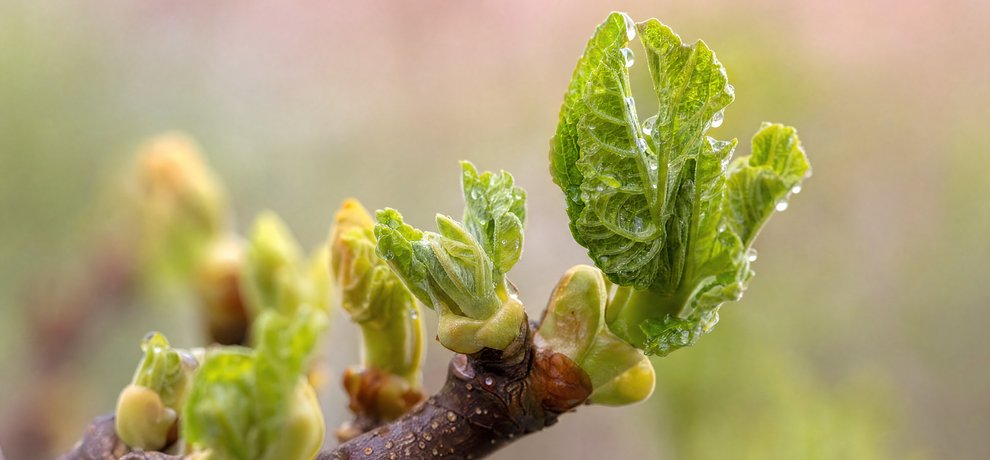
Gemmotherapy works from the buds and young shoots of plants, harvested in spring when their concentration of active compounds is highest. Taken orally, as a course, buds gently support several functions of the body, including kidney elimination and urinary comfort. It is a gradual approach: the aim is a more balanced terrain over time, not an immediate effect.
Heather bud
The heather bud is the one most associated with the urinary system. It supports elimination through the kidneys and the tissues of the urinary tract. It is often the first bud people turn to in order to maintain urinary comfort day to day, on its own or alongside a background course.
Bud complexes
For broader action, HerbalGem formulates ready-to-use bud complexes, combining for example bilberry, birch, heather and juniper to support bladder balance and urinary comfort over time. For men over 50, some complexes target male comfort and healthy prostate function more specifically. The idea of a complex: combining several buds that complement each other rather than isolating a single one.
Getting your bud course right
Buds are taken orally only, never on the skin. The usual dosage is 5 to 15 drops a day depending on your needs, neat or diluted in a little water or organic honey, held for a few seconds under the tongue before swallowing. Plan a three-week course, followed by a one-week break before resuming if needed. Morning suits the urinary system well, in line with the natural rhythm of elimination. A drainage-oriented complex can round out the approach in spring. If you are already on medication, ask your pharmacist or practitioner before starting.
Everyday good habits
No course replaces a few simple habits, kept up over time:
- drink regularly, about 1.5 litres of water a day, spreading out your intake and easing off in the evening to limit waking
- do not hold on too long and take the time to empty the bladder fully each time
- cut back on coffee, alcohol and very spicy dishes, which irritate the bladder
- keep up regular physical activity; walking supports circulation in the lower body
- keep an eye on your weight and waistline, which put pressure on the pelvic floor
These habits, combined with a suitable bud course, set up favourable ground for urinary comfort.
Frequently asked questions about urinary problems in men
How can men relieve urinary problems naturally?
You act on two fronts. First lifestyle: regular hydration, less coffee and alcohol, physical activity. Then gemmotherapy, with the heather bud or a bud complex to support urinary comfort. These natural solutions support comfort; they do not replace medical care when it is needed.
Why does a man urinate often at night?
After 50, the most common cause is prostate enlargement, which presses on the bladder and reduces its capacity. Drinking a lot in the evening, coffee and alcohol amplify the effect. If night-time waking recurs every night, speak to your doctor.
Which bud should you choose for urinary comfort?
The heather bud is the reference for the urinary system. For more complete action, a complex combining bilberry, birch, heather and juniper is also available. In men, some complexes target male comfort and the prostate more specifically.
When should you consult?
Without delay in the case of blood in the urine, fever, strong pain or an inability to urinate. For settled discomfort that disrupts sleep or daily life, a check-up with a doctor rules out any serious cause before starting a comfort course.