





Loss of libido is more common than people think: around 40% of women and 10% of men go through a period of low desire at some point in their lives. Sexual desire shifts with the seasons of life, tiredness, hormone balance and the quality of the bond with a partner. A temporary dip, after childbirth or a stretch of overwork, signals nothing abnormal. When the lack of desire settles in over several weeks and weighs on your mood or your relationship, it is worth looking for the cause. This guide walks through the causes of low libido in women and men, then the natural levers, from lifestyle to gemmotherapy, that help support desire.
What is a loss of libido?
Libido is sexual desire, the spontaneous urge for moments of intimacy. There is no reference level: some people feel desire several times a week, others once a month, with no issue as long as the balance suits the couple. We talk about loss of libido when that urge drops clearly from your usual level, lasts over time and creates discomfort or frustration.
Two situations should be told apart. A one-off dip, linked to a spike of stress, a recent pregnancy or a bout of fatigue, often settles on its own once the cause has passed. A lasting decline, stretching over weeks or months, deserves more attention because it almost always blends several factors: hormonal, psychological, relational or lifestyle-related. Finding the right lever means looking at the whole picture, not one isolated element.
One useful marker: there are two forms of desire. Spontaneous desire, which arises on its own, and responsive desire, which awakens in reaction to a situation or a partner's gesture. Many people, after a few years of living together, run mainly on responsive desire. No longer feeling spontaneous urges does not mean libido has vanished, but that it needs a context to show up. This nuance changes how you approach the problem.
The main causes of a loss of libido
Hormonal imbalance
Sex hormones drive a large part of desire. In women, oestrogens maintain lubrication and sensitivity. In men, testosterone carries the urge. That same testosterone, present in smaller amounts in women, also plays a role in their desire. Any marked change in these levels, at menopause, after a pregnancy or with age, affects libido. A thyroid disorder, which slows down or speeds up metabolism, also weighs on desire. Worth noting: prolonged stress raises cortisol, a hormone that competes with sex hormones and eventually pushes them down.
Stress, fatigue and lack of sleep
This is the most common cause, and the most underestimated. A mind saturated with work or personal worries leaves little room for desire. Chronic stress keeps the body tense and drains energy reserves. Built-up fatigue and short nights do the rest: it is hard to feel like it when you are fighting to stay awake at the end of the day. Easing the pressure and getting restful sleep often changes things. Our buds and supplements for stress and sleep support this groundwork.
Psychological factors and relationship life
A depressive state, nagging anxiety, a damaged self-image or a painful memory can switch off desire. On the relationship side, routine, unspoken tension, a lingering argument or the arrival of a child reshuffle intimacy. Desire feeds on emotional security and closeness, two things that need attention when daily life takes over. A drop in desire in one partner is almost always worked on together, even if only one is affected at first.
Medication and lifestyle
Some treatments lower libido: certain antidepressants, blood pressure medication or hormonal contraceptives. If you suspect a link, talk to your doctor before making any change, never stop on your own. Smoking, high alcohol intake and a sedentary lifestyle also work against desire, by impairing blood flow and energy levels. Poorly controlled diabetes, which damages small blood vessels and nerves, is another common physical cause.
Loss of libido in women and men
In women
The most sensitive period is menopause: the fall in oestrogens often comes with lower desire and intimate dryness that makes intercourse less comfortable. The months after childbirth combine fatigue, hormonal upheaval and a full reorganisation of daily life, a mix that leaves little room for desire. Hormonal contraception also changes libido in some women, though not systematically. To support these transitions, our ranges for feminine well-being and menopause focus on hormone balance and comfort through the cycles.
In men
In men, desire closely follows testosterone levels, which slowly decline from the forties onward, what is known as andropause. Fatigue, excess weight, diabetes or low mood speed up this decline. Male libido also plays out around erection: a difficulty there sometimes feeds a loop where apprehension fuels the lack of desire, and the other way around. Supporting overall vitality and taking the pressure off performance help break out of this spiral.
Bringing your libido back naturally: the right habits
Before looking for a miracle fix, a few habits lay the groundwork for desire to return.
- Sleep enough. Seven to eight hours of regular sleep recharge energy and support hormone production, which largely happens at night.
- Move. Thirty minutes of brisk walking, cycling or swimming three times a week improve circulation, mood and confidence in your body. Physical activity releases endorphins that wake up desire.
- Mind your plate. A varied diet, with enough zinc (seafood, eggs, pulses) and omega-3 (oily fish, nuts), maintains hormone balance. Ease off alcohol and ultra-processed food.
- Calm the mind. Heart coherence, yoga, sophrology or simply screen-free evenings: anything that lowers pressure helps desire return.
- Talk it through together. Putting words on what is stuck and finding moments of closeness with no performance goal defuses much of the tension in a couple.
When fatigue dominates the picture, targeted support for vitality usefully extends these efforts.
HerbalGem buds to support desire and vitality
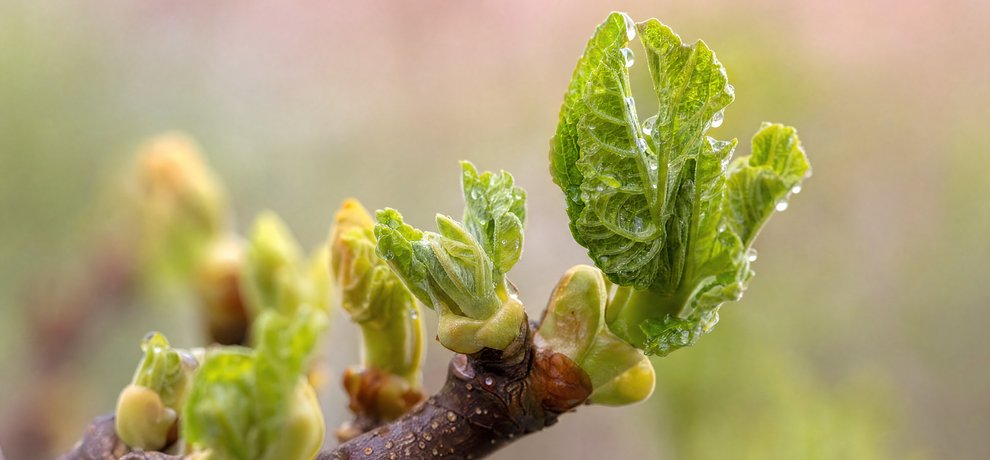
Gemmotherapy uses the buds and young shoots of plants, harvested in spring, taken as a course by the oral route in the form of drops. Several buds act on the ground that weighs most on libido: fatigue, stress and hormone balance.
- Blackcurrant bud helps clear weakness, strengthens the body and builds resistance to stress. It is the logical starting point when overwork is involved.
- Oak bud supports vitality and general tone, useful during long spells of fatigue that sap desire.
- Giant sequoia bud is a strong general tonic that preserves strength and male vitality, a helpful support for men from their forties.
- Raspberry bud is traditionally linked to feminine well-being during menopause and menstruation, two moments when libido becomes more fragile.
For a ready-to-use approach, a complex combining several of these buds covers these needs in a single course. You will find our full range of buds to take as a course to choose the one that fits your situation.
In practice, a gemmotherapy course is measured in weeks. You usually take five to fifteen drops a day, neat or diluted in a little water or organic honey, away from meals, over three weeks, with a one-week break before starting again if needed. Consistency matters more than the dose. A word of caution: ask a healthcare professional for advice before combining several courses, especially if you are on treatment or pregnant.
Frequently asked questions about loss of libido
How can I bring my libido back?
Start with the most likely cause. If fatigue and stress dominate, act first on sleep, physical activity and relaxation. If a hormonal transition is at play, menopause or postpartum, suitable support for the hormonal ground helps. Communication in the couple and, if needed, the help of a sex therapist round out the approach. Results usually take a few weeks of consistency, rarely a few days.
Why did I suddenly lose all desire?
A sudden drop often points to a specific event: a new medication, an emotional shock, a bout of overwork or a hormonal change. Retrace the last few weeks to spot what changed. If nothing stands out and the situation lasts, a medical check-up can verify hormone levels and rule out a physical cause.
Can stress alone switch off desire?
Yes, it is even one of the most common scenarios. Intense or prolonged stress channels all the body's energy into managing tension and raises cortisol, at the expense of the hormones of desire. As long as the pressure does not ease, desire stays dormant. That is why acting on sleep, breathing and mental load often delivers results before any other lever.
When should I see a healthcare professional?
Book an appointment when the loss of libido lasts more than a few months, comes with pain during intercourse, unexplained deep fatigue or a sense of distress. A doctor will look for a hormonal or medical cause and refer you, if needed, to a gynaecologist, an endocrinologist or a sex therapist. Gemmotherapy and lifestyle come as support, not as a replacement for medical advice.