


Female libido is not linear and naturally varies over the course of life and the cycle. It may go through periods of transient decline, sometimes lasting several weeks, before fluctuating again. These physiological variations are common and multifactorial.
When a drop in desire sets in over time, however, it may have an impact on emotional well-being and on the couple's relationship.
Several factors may come into play: hormonal balance, fatigue, mental load, stress, or specific life stages (post-partum, perimenopause, and so on). Identifying these mechanisms already helps to better understand the variations observed.
In this context, it is possible to consider different natural approaches, including gemmotherapy, to gently support a return to balance.
What is female libido, really?
Libido refers to sexual desire. In women, it results from a set of complex interactions between different biological and psychological systems.
On the hormonal level, it is influenced in particular by oestrogen, progesterone and testosterone, the latter also being present in small amounts in women.
On the neurobiological level, several neurotransmitters are involved, including dopamine, associated with the circuits of motivation and pleasure, as well as oxytocin, involved in the mechanisms of attachment and emotional bonding.
Finally, the psychological and emotional dimension plays a central role: it includes personal history, body image, relational experience and the quality of the relationship with the partner.
Sexual desire thus rests on a dynamic balance between stimulating and inhibiting factors. Among the elements that may curb libido are cortisol, linked to chronic stress, as well as prolactin. These mechanisms partly explain why libido can be particularly sensitive to periods of fatigue, mental overload or prolonged stress.
There is no universal standard when it comes to sexual desire. Variations in libido from one person to another are significant and considered physiological. The main reference remains individual perception and any change relative to one's own usual balance. A variation becomes a subject of attention when it sets in over time or is accompanied by discomfort or distress.
Why does libido decrease in women?
A drop in desire rarely results from a single factor. In most cases, it is multifactorial and stems from the interaction between hormonal, physiological, psychological and relational factors. Identifying the causes at play helps to guide care and the most suitable solutions more effectively.
Hormonal fluctuations
Hormonal fluctuations naturally influence libido throughout a woman's life. During the menstrual cycle, sexual desire tends to be more marked around ovulation, under the effect of rising oestrogen, before gradually decreasing in the premenstrual phase.
Pregnancy, the post-partum period and breastfeeding are also times of profound hormonal changes, often compounded by fatigue, changes in daily rhythm and the adjustments linked to the arrival of a child. During breastfeeding, the rise in prolactin, a hormone involved in milk production, may contribute to a transient decrease in sexual desire.
At menopause, whose average age of onset is around 51, the decline in oestrogen production may be accompanied by vaginal dryness, reduced intimate comfort and fluctuations in libido. These changes do not, however, mean the end of sexual life, and their intensity varies considerably from one woman to another.
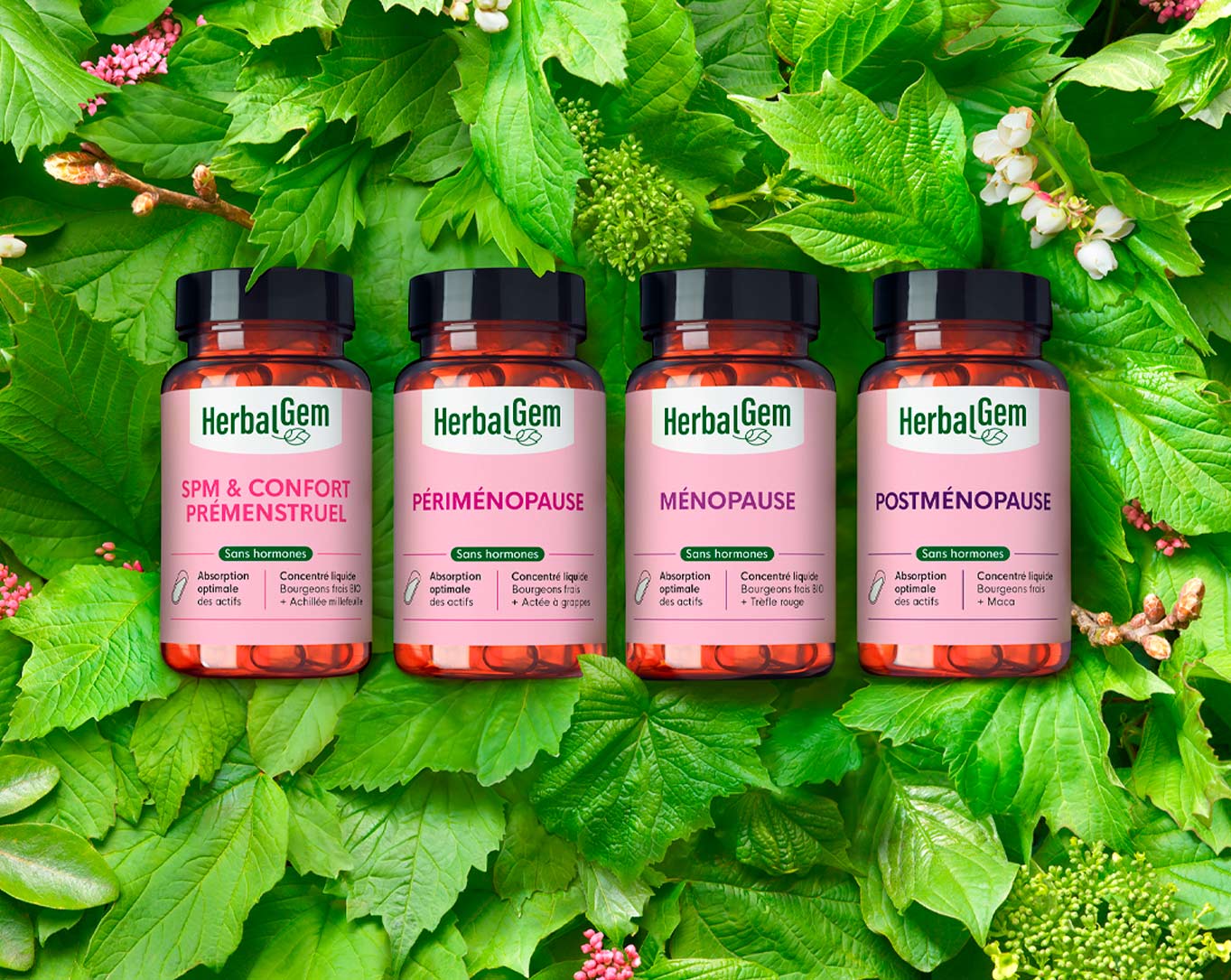
These different life stages come with normal physiological changes. Identifying them helps to better understand variations in libido and, if necessary, to consider suitable support. Certain complexes formulated for menopause may in particular contribute to feminine well-being.
Stress and fatigue
Chronic fatigue, stress and mental load are among the factors most frequently associated with a decrease in libido. In situations of prolonged stress, the body increases its production of cortisol, a hormone likely to influence hormonal balance and the mechanisms involved in sexual desire.
To these physiological effects are added the consequences of lack of sleep, a demanding pace of life or a heavy mental load, which can reduce the physical and emotional availability needed for intimacy.
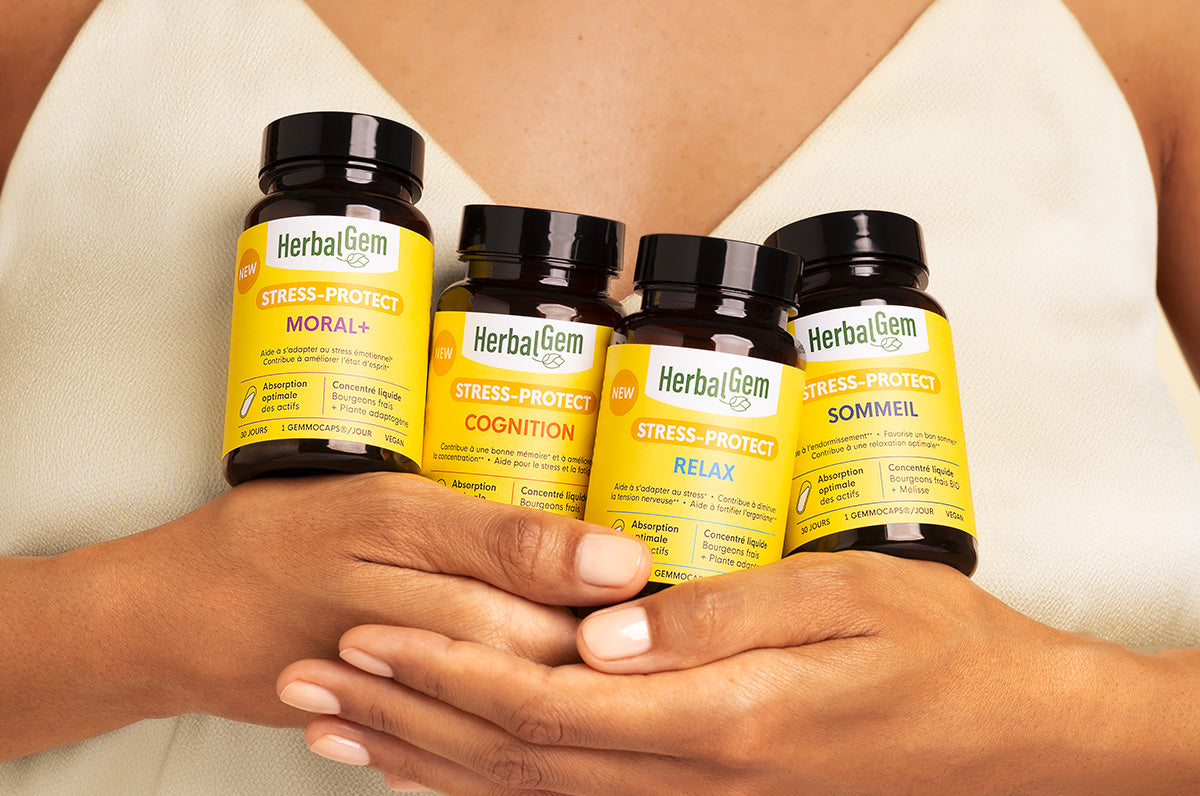
It is therefore essential to take the overall life context into account before attributing a drop in libido to an exclusively hormonal cause. When desire tends to return during periods of rest, weekends or holidays, this may suggest that fatigue and stress play an important role in these variations. Improving stress and sleep is often one of the first measures to put in place to encourage a return to balance.
Psychological and relational factors
Female libido is closely influenced by psychological, emotional and relational dimensions. The quality of the couple's relationship, communication, persistent conflicts, but also self-image, self-esteem or certain life experiences can have a significant impact on sexual desire.
Over time, routine or the constraints of daily life can also alter the dynamic of the couple and contribute to a decrease in desire. These variations do not necessarily reflect a lack of interest in the partner but often reflect the influence of the relational context on sexuality.
Finally, a drop in libido can sometimes generate a feeling of guilt or misunderstanding. Yet these emotions can themselves sustain the difficulties by increasing the pressure felt around sexuality. A caring approach, based on dialogue and understanding of the factors at play, is an important step towards regaining a satisfying balance.
Lifestyle and certain medications
Lifestyle is an important factor in overall balance and can influence libido. Excessive alcohol consumption, smoking, a sedentary lifestyle or an unbalanced diet can have indirect effects on circulation, energy levels and, more broadly, on the functions involved in sexual desire.
In addition, certain medications may also be associated with a change in libido, in particular some hormonal contraceptives or medicines acting on mood.
If a link is suspected between a drop in desire and an ongoing treatment, it is recommended not to modify or stop it without medical advice. A reassessment with a healthcare professional makes it possible to consider, if necessary, adjustments suited to the individual situation.
How to naturally revive libido day to day
Before any supplementation approach, it is useful to rely on lifestyle fundamentals: a balanced diet, regular physical activity and a satisfying relationship. These elements contribute globally to the body's balance and can influence libido.
Diet
A Mediterranean-style diet, with vegetables, oily fish, nuts and quality vegetable oils, supports circulation and hormonal balance. Studies on this eating pattern show a real effect on sexual well-being after a few months. Conversely, ultra-processed products, excess sugar and overconsumption of coffee work against this balance.
Some foods are traditionally associated with a diet that supports vitality and overall balance. Dark chocolate rich in cocoa, oysters and pumpkin seeds for their zinc content, ginger or nuts fit within this framework.
No single food can, on its own, produce a specific effect on libido. On the other hand, a globally balanced and varied diet, maintained over time, contributes to the proper functioning of the body, particularly on the energy and emotional levels.
It is dietary balance as a whole, more than isolated foods, that contributes to supporting the major physiological functions.
Physical activity and sleep
Regular physical activity, of around 30 to 45 minutes several times a week, helps to improve various parameters involved in overall well-being, such as circulation, mood and body image. These factors can indirectly influence libido.
Several observations suggest that physically active people generally present fewer difficulties related to sexuality than sedentary people, without it being possible to establish a direct causal link in all cases.
Sleep quality also plays an important role. Sleep contributes to the regulation of many physiological functions, in particular hormonal and nervous ones. Chronic lack of sleep may thus be associated with a decrease in energy and sexual desire.
A regular sleep time of around 7 to 8 hours is generally associated with a better overall balance.
Finally, the type of physical activity matters less than its regularity: brisk walking, dancing, yoga or swimming can all be part of a beneficial routine.
Intimacy within the couple
Intimate well-being is also built outside the bedroom. Sharing moments together without screens, favouring gestures of tenderness with no particular expectation, or openly exchanging about one's desires and feelings helps to strengthen closeness within the couple. These everyday attentions play an important role in overall balance.
Taking time for oneself, reconnecting with one's sensations and body, can also help to better navigate certain periods of reduced desire. Finally, putting words to what one is going through, without dramatising or feeling guilty, often helps to ease the pressure and restore a calmer atmosphere.
Gemmotherapy to support female desire
Gemmotherapy is based on the use of the buds and young shoots of plants, harvested in spring, and prepared as macerates generally taken as a course by the oral route. Within the framework of feminine well-being, certain buds are traditionally associated with supporting different aspects of overall balance, such as vitality, hormonal balance and relaxation.
They are not a miracle solution and do not replace medical advice or follow-up when this is necessary, but they can be part of an overall well-being approach, particularly during periods of low energy or passing fluctuations. Several complexes for feminine well-being combine these active ingredients according to the need of the moment.
Raspberry, the women's bud
Raspberry is the feminine bud par excellence. It supports the cycle, from premenstrual syndrome to uncomfortable periods, and helps to regain a more stable hormonal balance over the course of the month. It is found at the heart of many feminine well-being complexes designed for comfort from puberty to premenopause.
A more comfortable cycle can contribute to a better overall balance, including on the level of intimate well-being. When periods of discomfort are better managed, it sometimes becomes easier to reconnect with one's sensations and desires.
In a gemmotherapy approach, certain buds are traditionally used to support fluctuations linked to the cycle. They can thus be part of an overall well-being routine, particularly when a drop in libido seems to fall within these natural variations.
Blackcurrant and Fig for stress
Blackcurrant is often considered in gemmotherapy as a versatile bud, traditionally used to support periods of fatigue and to sustain the body's resistance to stress. Fig, for its part, is frequently associated with relaxation and calm, particularly when mental load or emotional agitation are present.
In an overall well-being approach, these two buds can be used in a complementary way to support periods of tension or fatigue. This approach is part of a logic of general balance, without replacing medical care when this is necessary.
They can be used on their own, as single buds, to compose one's own course according to how one feels.
Oak, the vitality bud
Oak is traditionally associated in gemmotherapy with tone and vitality. It is sometimes used during periods of marked fatigue, particularly when the body seems to lack energy in a general way.
It is often combined with Ginkgo, Oat, Saffron and Passionflower in complete complexes, each traditionally linked to complementary functions such as circulation, support of the nervous system or calm.
Saffron in particular is the subject of research concerning its potential role on mood and emotional well-being. In an overall approach, these different elements can contribute to supporting periods of fatigue and passing imbalance, always within a logic of supporting general well-being and without replacing medical advice.
Adapting buds to each life stage
At menopause, the body's needs evolve and can vary from one person to another. In gemmotherapy, Lingonberry and Apple buds are traditionally used within the framework of this transitional period, particularly within dedicated complexes.
The approach generally relies on a personalised selection of two to three buds according to perceived needs: fatigue, stress or variations linked to this life stage.
As each situation is unique, whether it involves a young mother, a period of overwork or menopause, this method is part of an individualised well-being approach, aiming to support the changes of daily life without generalising them.
How to follow a bud course
A gemmotherapy course is taken by the oral route, at a rate of 5 to 15 drops maximum per day diluted in a glass of water or in a teaspoon of organic honey, away from meals, over a period of three weeks. After a one-week break, the course can be renewed if the need continues.
Buds are used by the oral route only.
In the case of pregnancy, breastfeeding or ongoing treatment, professional advice remains recommended before starting.
When to consult a healthcare professional?
An occasional drop in desire can be part of the natural variations of life. When it sets in over time, persists beyond a few months or is accompanied by significant discomfort in daily life or in the couple's relationship, it may be useful to talk about it with a healthcare professional.
Likewise, the presence of pain during intercourse, marked intimate dryness, a general sense of unease or a sudden and unexplained drop may justify medical advice in order to identify the possible causes, whether hormonal or linked to a treatment.
The general practitioner, gynaecologist or sexologist are suitable people to turn to for support in these situations. This approach is part of an overall well-being perspective and can contribute to regaining more comfort and serenity in intimate life.
Frequently asked questions about female libido
What increases libido in a woman?
A generally calm and balanced state can contribute to overall well-being: reducing stress, improving sleep quality, regular physical activity and moments of closeness within the couple. In a natural approach, certain plants and buds are traditionally used to support tone and overall balance, such as Oak, Raspberry or Saffron. These approaches rest above all on the complementarity of the different everyday levers, rather than on a single ingredient presented as an isolated solution.
What causes a drop in libido in women?
Most often a combination of factors: hormonal variations linked to the cycle, pregnancy or menopause, stress and fatigue, weariness or conflicts within the couple, and sometimes certain treatments. Chronic stress remains the most frequent cause, ahead even of hormones.
At what age does libido decrease in women?
There is no single age for variations in desire. It can evolve at different moments in life, for example after a pregnancy, during a period of overwork, or at the time of menopause, generally around the age of 50, in connection with hormonal changes. That said, this transitional period can also be experienced positively: many women report rediscovering their sexuality after menopause, sometimes with more freedom and comfort than before.
Which buds to choose for female desire?
Oak bud for tone and energy, Raspberry bud for hormonal balance, Blackcurrant and Fig buds to ease stress. At menopause, Lingonberry and Apple buds support the transition. A ready-to-use complex bringing together several of these active ingredients can make the course easier.