
The itchy throat of early cold weather, a fatigue that creeps in as the seasons turn: some signals are worth listening to. At these moments, propolis is naturally one of the things people turn to.
But do you really know this precious substance from the hive? Unlike honey or royal jelly, propolis is not a food reserve for bees. They make it from resins gathered on tree buds and bark.
A plant-based origin that naturally echoes gemmotherapy. Composition, properties, available forms and usage tips: here is what to know about propolis before you start.
What is propolis and where does it come from?
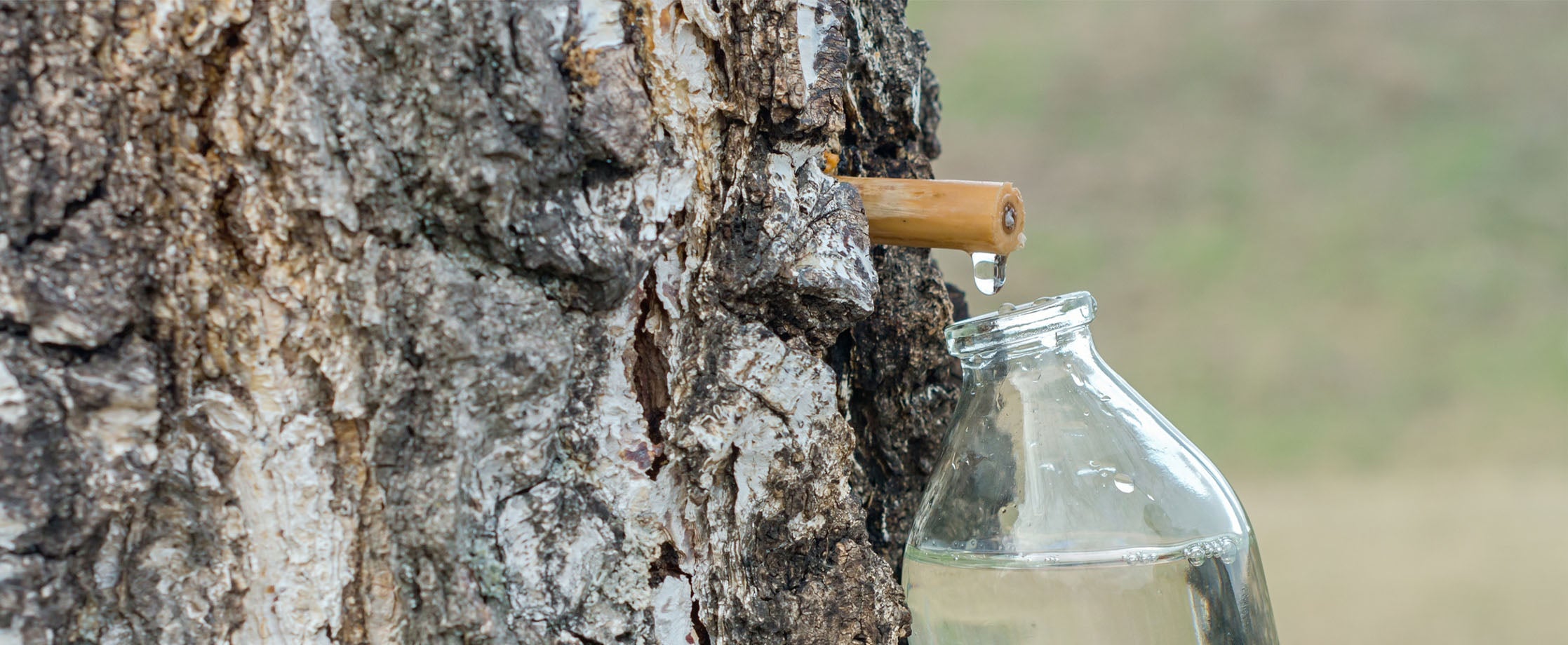
Propolis is a resinous material that bees collect from buds and the bark of certain trees. In temperate zones, poplar provides most of the raw material, supplemented by birch, willow, ash, pine or chestnut. Back at the hive, worker bees mix this resin with wax and their own salivary secretions. The result is a pliable paste, neither sticky nor brittle.
Its name comes from ancient Greek: "pro" (in front of) and "polis" (the city). Bees use it to narrow the hive entrance, seal cracks, insulate against temperature swings and limit microbial growth inside. They also coat the cells before the queen lays her eggs, and cover dead intruders they cannot remove, which blocks decomposition. A colony produces between 0.1 and 1 kg a year depending on its size and the bee species.
Beekeepers harvest it with a grid placed at the top of the hive: bees seal it up, and it just needs removing. Once frozen, propolis becomes brittle and comes off on its own. What comes out of the hive at this stage is still raw, mixed with plant debris and wax residue. Purification follows, either through maceration in alcohol or separation in lukewarm water. One rule applies at every stage: never go above 40°C, or the active compounds start to break down. And beekeepers never take all of the propolis, the colony needs it to survive.
This detail from beekeeping explains the rest. Propolis is not a food reserve like honey: it is a protective material, selected by bees for its purifying properties. This is what caught people's attention as early as antiquity, among the Egyptians for preparing ointments, then the Greeks and Romans.
What does propolis contain?
The main families of compounds
Over 300 compounds have been identified in propolis. Its structure breaks down as follows: resins and balms for 50 to 55%, wax for 30 to 40%, essential oils for 5 to 10%, pollen for 5%, with minerals and other organic matter making up the rest.
The molecules of interest to the body are concentrated in the resinous fraction. These include flavonoids (chrysin, galangin, pinocembrin, quercetin), phenolic acids (caffeic, ferulic, cinnamic), organic acids, aromatic aldehydes, trace elements such as zinc, silica and iron, as well as B vitamins and provitamin A. This family of polyphenols carries most of the antioxidant activity.
Before buying, there is one thing to know: the quality of a propolis depends on where it was harvested. Heavy metals from pollution settle into it easily. A harvest from a preserved area, away from roads and conventional farmland, directly determines the quality of the extract obtained.
Brown, green, red propolis: three different profiles
Composition is never identical from one harvest to the next. It depends on the plants foraged, the season, the latitude and the bee species. Three main types stand out by their colour.
Brown propolis, the most common in Europe, mainly comes from poplar buds. It is the one most often found, and it concentrates flavonoids and aromatic acids.
Green propolis comes from Brazil, where bees forage on Baccharis dracunculifolia, a shrub in the Asteraceae family. It contains between 6 and 8% artepillin C, two to three times more than brown propolis. This concentration of polyphenols gives it a stronger antioxidant activity.
Red propolis is harvested from mangrove trees in north-eastern Brazil. Rarer, it stands out for its isoflavone content.
Combining green and brown propolis in a single formula makes it possible to bring together their profiles rather than choosing between the two. This is the approach behind our concentrated propolis extracts, which we produce ourselves.
What are the benefits of propolis?
Support for natural defences
Propolis is traditionally used at seasonal changes, particularly when the body is under more strain. Rich in naturally occurring compounds such as flavonoids, it supports natural defences and contributes to throat comfort.
This is why it naturally finds its place in seasonal routines, especially heading into autumn or at the end of winter. The first signs of discomfort, passing fatigue or a more demanding period can be a good moment to think of propolis to support the body day to day.
At HerbalGem, propolis fits into a natural, preventive approach, alongside the buds used in gemmotherapy. This is the focus of our solutions to support natural defences.
Throat and airway comfort
When dry air, cold or temperature swings put strain on the throat, propolis supports comfort in the ENT area. Its resins and phenolic compounds act on contact with the mucous membrane, which explains the popularity of spray and syrup forms: they deposit the substance right where the discomfort is felt. For this reason it is often paired with thyme or honey in preparations for breathing comfort.
Comfort for the mouth
Propolis also has a place in routines dedicated to mouth and gum comfort. Chewing gum or spray: different forms make it easy to benefit from its properties day to day.
A slight tingling sensation may be felt during use. It is linked to certain naturally occurring compounds in propolis, notably caffeic acid and pinocembrin, and it usually passes quickly.
Digestive comfort
Traditionally used in European beekeeping practices, propolis also has a place in routines dedicated to digestive comfort. It can be particularly appreciated after a heavy meal or when digestion feels less comfortable.
Propolis fits easily into daily habits, alongside a balanced diet and good lifestyle habits.
Antioxidant action
Naturally rich in polyphenols, propolis contributes to protecting cells against oxidative stress. It fits into an approach focused on preservation and balance day to day, alongside a varied diet and good lifestyle habits.
Rather than a one-off action, propolis can find its place in a regular routine, to look after the body over time.
Vitality and energy through the seasons
Periods of overwork, the end of winter, picking back up after a dip in energy: propolis finds its place as a support, alongside a balanced diet and a regular sleep pattern. It replaces neither one. It supports through periods of passing fatigue.
As for use on the skin, propolis is found in various cosmetic products to support skin comfort.
Using propolis on the skin and taking it orally are two different uses, each with its own forms and precautions.
Propolis and buds: two complementary approaches
Propolis and gemmotherapy start from the same part of the plant, and this is rarely pointed out.
The bud is the part of the plant where everything begins. It concentrates embryonic cells, nucleic acids, growth hormones and the minerals the tree will need to develop. To protect itself before opening, it wraps itself in resin. This is the resin bees come to collect.
The two approaches therefore draw on two fractions of the same moment in the tree's life. Gemmotherapy works with the bud itself, through maceration, to act on the body's inner terrain and rebalance its functions over time. Propolis works with the protective covering, transformed by the bee, with a more local and faster action, on the throat, mouth or natural defences.
In the hierarchy of natural approaches, you start with classic dietary supplements, move on to herbal medicine which uses the mature plant, and arrive at gemmotherapy, which works with the plant's most concentrated stage. Combining a propolis extract with a course of buds means acting on both levels at once: comfort felt on the surface and deeper work on the terrain.
How to take a propolis cure
Which forms to choose
Oral spray deposits the substance right where it is needed. Syrup suits sensitive throats and evening doses. Chewing gum, closer to the raw material, extends contact in the mouth. Capsules suit those who do not like the fairly pronounced resinous taste.
An alcohol-free version exists for those who prefer to avoid it, particularly for use in children over 6.
How much and for how long
The usual dose is 15 drops taken directly under the tongue or diluted in a glass of water, away from meals. Children's formulations are available in syrup, gum and drop form.
The cure runs over a period of 3 weeks. As a preventive measure, it is taken before winter sets in or at seasonal changes. There is nothing stopping you from starting it again later in the year, after a break.
As for storage, an extract should be kept away from light and heat, with the cap firmly closed. The bottle may become cloudy or show a slight resinous deposit over the weeks: this is normal for a lightly processed propolis, just shake before use.
Precautions and contraindications
Propolis is generally well tolerated, but it is not neutral for everyone.
People allergic to pollen, honey or bee stings should avoid it. A hypersensitivity reaction remains possible, including with topical use, with itching or skin redness.
It is not recommended for pregnant or breastfeeding women, or for children. The alcohol-based version is reserved for those over 6.
Medical advice is useful before any extended use, particularly if a course of treatment is already underway.
One last point to check before choosing: quality propolis is raw, not heated above 40°C, the temperature beyond which its compounds start to break down. On an extract, two pieces of information are worth looking for on the label before anything else: the pure propolis content and the origin of the harvest.